By Fiona MacDuff
•
December 10, 2025
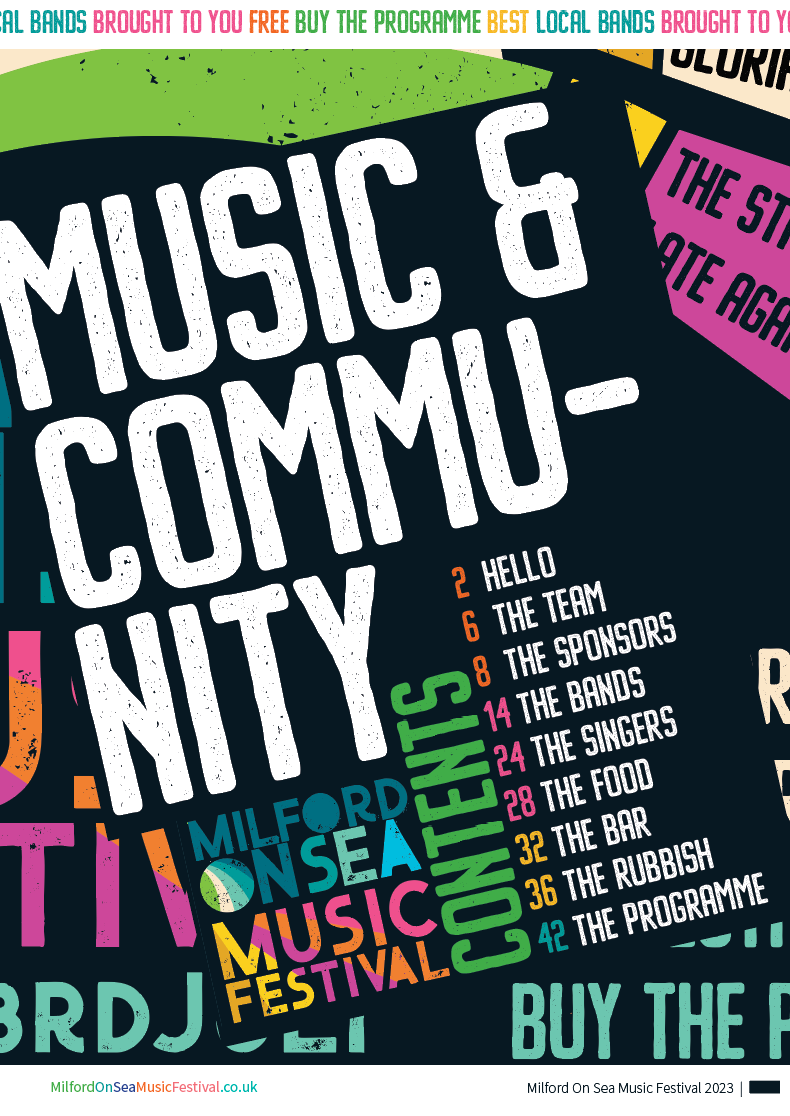
I call it a superpower. There is a lot of negativity surrounding ADHD, which is why I want to talk about it here. I believe my ADHD has given me a distinctive advantage. When I start to collaborate on your project – whether it's a brand identity, website design, or creative campaign – my brain makes connections at lightning speed, identifies patterns others overlook, and intuitively understands the emotional resonance of every colour choice, every curve, every pixel. The outside-of-the-box thinking that comes with ADHD is valuable in graphic design where creativity and innovation are key. I am ADHD. And it's a significant professional advantage My ADHD isn't a limitation I navigate around – it's a core strength that enhances every project I undertake. It's what enables me to deliver exceptional results, and I want to explain what that means for the work we create together. I have chosen to showcase two images above for very important reasons. In 2023, I single handedly designed and produced ALL the creative for the Milford on Sea Music Festival. The branding, the website, the programme, the Tshirts, the headshot photography, the heras banners, the toilet zone design, the bar posters, the social media, and all the print. I interviewed people, I wrote stories on social media based around community, and I art directed and managed the whole creative journey. The result? We sold more programmes than ever before, and the 2023 festival brought over 4,800 people to the village green for one of the best music festivals the village has ever seen. Of course it wasn't all about the creative, but it did help. The 150% Commitment When I take on your project, I don't just dip my toe in. I dive in completely. This is the ADHD hyperfocus at work, and it's where magic happens. Whilst some designers might allocate specific hours to your brand identity or website design, I become completely absorbed in your world. I'm thinking about your target audience whilst I'm making coffee. I'm seeing your colour palette in the sunset. Your typography follows me into my dreams. This isn't an exaggeration—it's how my brain works. And for you, it means that when I'm designing your brand, I'm living and breathing it with an intensity that goes beyond a typical creative process. I'm not trying to finish quickly; I'm trying to get it right in every possible dimension. The Blessing and Challenge of Perfectionism Here's where I need to be honest about the complexity: that same hyperfocus that drives me to explore every possibility can also make it challenging to know when to stop. I'll create seventeen versions of a logo because version eighteen might be the one. I'll adjust kerning by fractions of a point because my eye catches something others might never notice. I'll rebuild an entire layout because the visual hierarchy isn't quite creating the emotional journey I envision. Some might call this overthinking. I call it thoroughness. But I've also learnt—through experience and self-awareness—that there's a sweet spot between comprehensive exploration and analysis paralysis. Part of embracing my ADHD means recognising when my perfectionism is elevating the work and when it's time to trust my intuition and deliver. The Right-Brain Advantage My ADHD brain is intensely visual and intuitive. I don't just analyse design problems logically; I feel them. This right-brain dominance means I can sense when something isn't working before I can always articulate why. It's an intuitive understanding of visual communication that comes from processing information differently. When you present me with a challenge _ 'We need to reach this audience' or 'Our brand needs to convey trust and innovation' –my brain immediately starts making creative connections. I'm pulling from seemingly unrelated references, combining unexpected elements, and trusting my gut about what will resonate. This intuitive approach often leads to solutions that feel fresh and authentic rather than formulaic. Covering Every Aspect Despite what people might assume about ADHD and attention to detail, I'm meticulous. Perhaps obsessively so. I need to know that I've considered every angle, explored every possibility, tested every variation. Have I thought about how this design scales? How it looks in different contexts? How it makes people feel? What it communicates at a glance versus after sustained viewing? This comprehensive approach means nothing slips through the cracks. The brand guidelines are thorough. The file organisation is systematic. The design rationale is thought through from every perspective. My ADHD drives me to ensure completeness—not despite the condition, but because of it. Why I'm Sharing This Now For many years, I felt different, I am different. But here's what I've learnt: my ADHD is inseparable from my creative gifts. The same neurological wiring that makes it hard to focus on boring tasks makes me able to hyperfocus on meaningful creative work for hours . The same sensitivity that can feel overwhelming in chaotic environments makes me attuned to subtle design nuances. The same divergent thinking that made school challenging makes me exceptional at creative problem-solving. I know some of you are ADHD too. You understand this already. You know what it's like to be 'too much' and also not enough, to have a brain that works differently in a world built for neurotypical processing. When we work together, there's an unspoken understanding, a shared language of intensity and intuition. But whether you're ADHD or not, I want you to understand what you're getting when you work with me: someone who will throw themselves into your project with unwavering intensity, who will obsess over details others might overlook, who will trust their intuition to create solutions that genuinely work, and who will approach your design challenges with a perspective that's anything but ordinary. The Superpower Mindset Reframing ADHD as a superpower isn't about denying the challenges – believe me, they're real, and I navigate them daily. It's about recognising that the same traits that make life complicated also make me a graphic designer that can juggle, and create very creative design solutions. When you entrust me with your brand, your website, your visual identity, you're getting the full force of a brain that doesn't do anything halfway. You're getting someone who sees connections others miss, who feels design rather than just executing it, and who won't rest until every detail aligns with the vision. I'm an ADHD graphic designer. And I wouldn't have it any other way. If you're interested in working together or want to discuss your project, I'd love to hear from you. Let's create something extraordinary.